

What if disaster struck tomorrow, would your family, business, or community be ready? As we look to 2025, the risks we face—from severe weather and health crises to cyber threats—are changing faster than ever. Now is the time to take control with an emergency planner that meets today’s challenges.
This guide will walk you through every step needed to build a resilient emergency planner for the year ahead. You will learn how to assess your unique risks, create actionable plans, manage essential supplies, and communicate effectively when it matters most. Each section offers practical strategies, real-world examples, and expert tips to help you turn preparation into peace of mind.
If you want to protect what matters, start now. Let’s build your emergency planner together and ensure you are ready for whatever 2025 brings.
Step 1: Assessing Your Risks and Needs
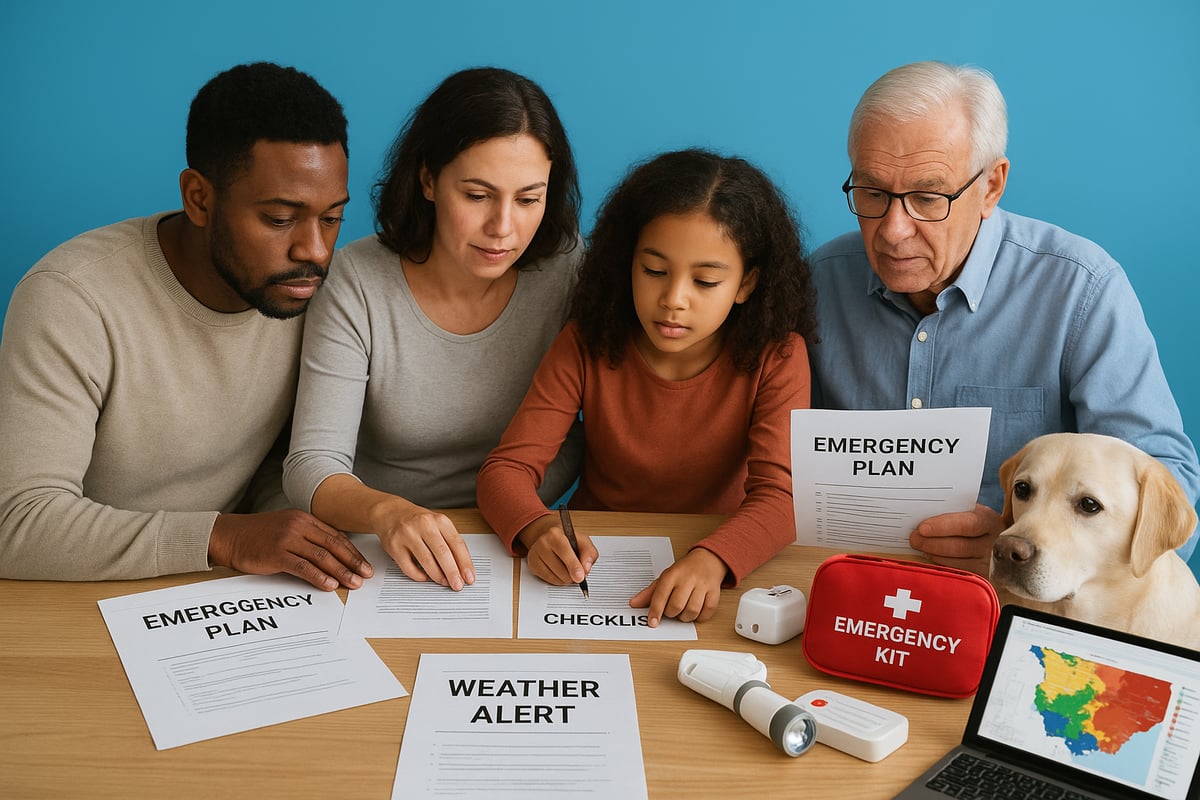
A successful emergency planner starts with understanding the unique risks you face. Whether you are preparing for your family, business, or community, the first step is to identify what could go wrong and how it might impact your daily life. This section guides you through a practical approach to risk assessment, a cornerstone for any effective emergency planner.
Understanding Modern Threats
Risks in 2025 are more varied and complex than ever. Extreme weather events, from hurricanes to wildfires, continue to increase in frequency and severity. Public health threats, such as pandemics, remain a concern. Cyberattacks now target both critical infrastructure and personal data. Supply chain disruptions can affect everything from groceries to medications.
According to FEMA's 2023 National Preparedness Report, 60% of Americans still lack a basic emergency plan. This gap highlights the critical need for every emergency planner to take action. Your risk profile depends on where you live, your family structure, and your occupation. Urban residents may face different threats compared to those in rural areas. For example, city dwellers might prioritize power outages and cyber risks, while rural families often focus on isolation during natural disasters.
The key is to personalize your assessment. A household with young children or elderly members will have unique needs. For instance, families in flood-prone regions must consider both evacuation routes and medical access for vulnerable individuals.
Risk Factor Comparison Table
| Location Type | Top Risks | Key Considerations |
|---|---|---|
| Urban | Power outages, cyber | Apartment access, elevators |
| Rural | Floods, isolation | Road access, livestock |
| Suburban | Storms, supply chain | Community resources |
Conducting a Home and Community Risk Audit
An emergency planner should regularly audit their home for vulnerabilities. Begin by checking the structural integrity of your house. Are there loose roof tiles or blocked gutters? Next, inspect electrical systems for outdated wiring and ensure smoke and carbon monoxide detectors are working.
Security is another focus. Are your locks and windows secure? Do you have emergency lighting? Use checklists to assess your home room by room. Note hazards such as overloaded outlets or unsecured heavy furniture.
Extend your audit to the community. Identify local hazards like flood zones or chemical plants. Join or form neighborhood watch groups and connect with local emergency services. Knowing your community’s resources, such as shelters and first responders, gives you an edge.
A real-world example: In 2023, a simple home audit in a Midwest town revealed that sealing basement cracks and elevating electrical outlets saved a family from major loss during a flood. Taking these steps early can make a dramatic difference.
Evaluating Special Needs and Considerations
Every emergency planner must account for the unique needs of their household. Do you have pets, elderly relatives, or infants? Each requires tailored preparations. For pets, ensure you have carriers, food, and medical records ready. For infants, stock up on formula, diapers, and comfort items.
Cultural, linguistic, and dietary needs matter too. Make sure everyone understands the plan, and that essential foods and communication tools are accessible. Legal and medical documentation should be both physically stored and digitally backed up. Keep copies of IDs, insurance, and critical health information in a secure, accessible location.
Consider chronic conditions. For example, a family member with diabetes needs a plan for medication access if pharmacies close. Store extra supplies and know alternate providers. By addressing these details, an emergency planner ensures no one is left vulnerable during a crisis.
Step 2: Building Your Emergency Plan
Preparing a comprehensive emergency plan is the cornerstone of resilience in 2025. An effective emergency planner addresses the unique risks faced by your household or team and ensures that everyone knows their role when a crisis strikes.

Setting Clear Objectives and Roles
A successful emergency planner begins by defining the purpose and scope of your emergency plan. Start by clarifying what scenarios you want to address—natural disasters, cyber threats, or health emergencies. Clearly outline what your plan covers and what it does not.
Assign specific roles to each family or team member. For example, designate a communication lead responsible for contacting loved ones, and a first-aid responder who manages medical needs. Roles should align with each person's strengths and availability.
Write down your plan and make sure it is easily accessible. Store copies in physical and digital formats, so everyone can review them regularly. Practice assigning roles during drills to reinforce responsibilities. A well-structured emergency planner ensures no one is left uncertain during a crisis.
Creating Evacuation and Shelter-in-Place Protocols
Every emergency planner must include clear evacuation routes and shelter-in-place procedures. Identify multiple exit paths from your home or workplace, and select safe meeting points outside the immediate area. Practice evacuation drills to ensure everyone can act quickly under stress.
Plan for scenarios where leaving is not possible. Choose safe rooms within your home for sheltering during storms or chemical spills. Stock these areas with basic supplies and ensure they are accessible to all household members.
For example, a family that practiced regular wildfire drills was able to evacuate swiftly when a real fire threatened their neighborhood. This proactive approach, central to any emergency planner, can make a critical difference in safety outcomes.
Communication Strategies and Information Management
A robust emergency planner incorporates strong communication strategies. Establish a communication tree that outlines who contacts whom during an emergency. Include both internal contacts (family or team members) and external contacts (neighbors, emergency services).
Leverage technology to your advantage. Emergency apps, SMS alerts, and backup power sources for devices can keep information flowing when traditional channels fail. For more guidance, consult the Ready.gov's Family Emergency Communication Plan, which offers templates and tips for building your own communication strategy.
Consider forming a group chat or using community messaging platforms. For instance, a neighborhood WhatsApp group played a vital role in coordinating aid during a recent blackout, demonstrating the value of a connected emergency planner.
Documentation and Record-Keeping
An emergency planner is incomplete without secure documentation. Store critical documents such as identification, insurance policies, and medical records in both physical and digital formats. Use waterproof folders and encrypted cloud storage to protect sensitive information.
Regularly update your records and keep a checklist of what is included. Consider using a table to organize document types, storage locations, and update frequencies:
| Document Type | Storage Location | Last Updated |
|---|---|---|
| IDs & Passports | Fireproof Safe/Cloud | Jan 2025 |
| Insurance Policies | Binder/Cloud | Feb 2025 |
| Medical Records | USB Drive/Cloud | Mar 2025 |
A family that maintained digital backups of important documents was able to expedite recovery after a tornado, highlighting how diligent record-keeping within an emergency planner streamlines post-disaster processes.
Step 3: Assembling Emergency Supplies and Resources
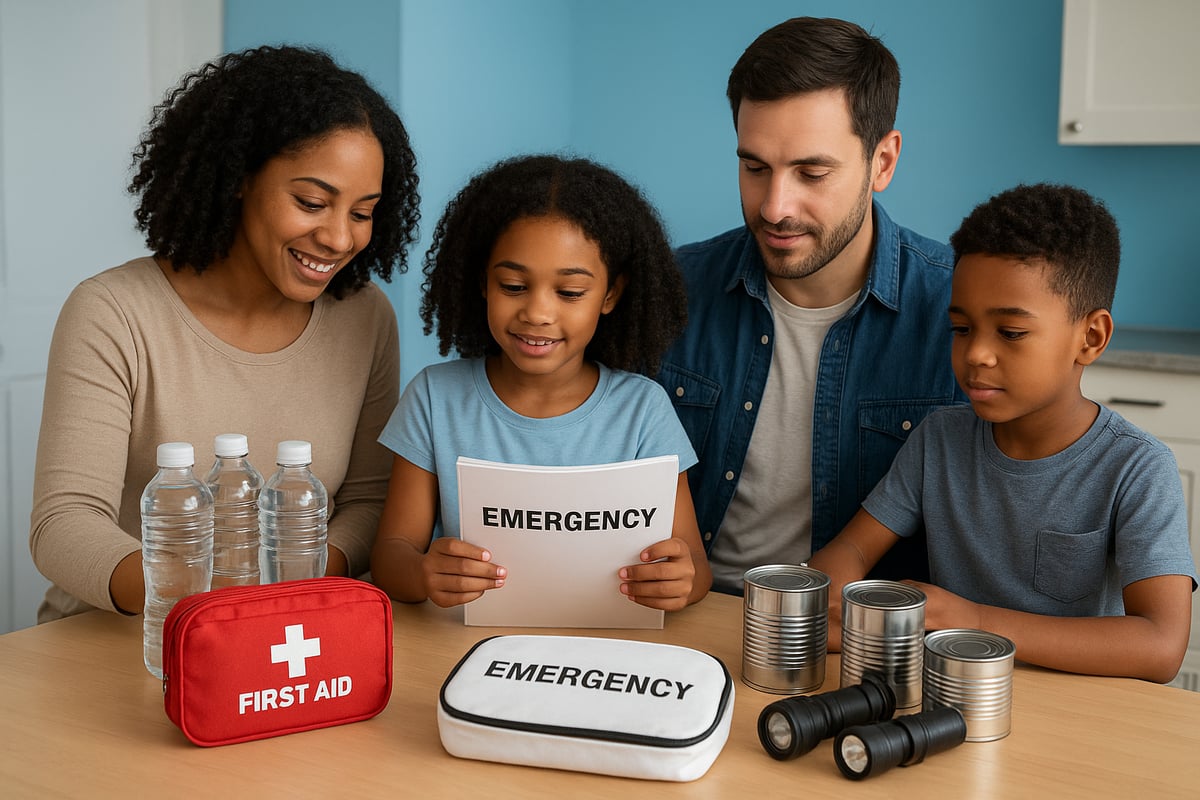
Preparing the right supplies is a cornerstone for any emergency planner aiming to protect family, business, or community. The unpredictability of disasters means that your readiness can make all the difference. Let us break down the essentials for assembling, customizing, and maintaining your emergency kits to ensure you are prepared for anything.
Essential Supplies for 72 Hours and Beyond
Every emergency planner should start by assembling a core supply kit designed to sustain all members for at least 72 hours. The basics include one gallon of water per person per day, non-perishable food, a comprehensive first aid kit, flashlights with extra batteries, sanitation supplies, and multipurpose tools. According to FEMA and CDC guidelines, these quantities are the foundation for survival during most emergencies.
In addition to the basics, remember to include personal hygiene items, sturdy shoes, and blankets. Communication tools such as a battery-powered radio and fully charged power banks are critical. For more detailed checklists and document organization, many families rely on emergency family binder essentials to keep all vital records and contacts in one accessible place.
A real-world example from the 2024 hurricane season illustrates the impact of preparation. One family, guided by their emergency planner, had a well-stocked kit and binder, which allowed them to weather the storm safely and access insurance and medical information when needed.
Customizing Kits for Different Scenarios
An effective emergency planner adapts kits to fit various environments. Home kits should account for the number of family members, pets, and any unique needs. Car kits must include flares, blankets, food bars, and water pouches. For work and school, pack compact versions with snacks, first aid, and contact cards.
If you have infants, include formula, diapers, and comfort items. Pet owners should add leashes, food, and copies of vet records. Those with chronic illnesses must pack extra medication and copies of prescriptions. Customizing each kit ensures no one is left vulnerable, a key responsibility for any emergency planner.
Consider this example: During a regional power outage, a pet owner’s kit included microchip details and vet contacts, enabling quick reunification and medical care. The emergency planner’s foresight made all the difference for their furry friend.
Maintaining and Rotating Supplies
An emergency planner’s job does not end after assembling supplies. Regular maintenance is crucial to ensure everything remains safe and usable. Set a quarterly reminder to check expiration dates on food, water, batteries, and medications. Replace items as needed, and update personal information in your emergency binder.
Adjust your kits seasonally. Swap out clothing, update medication, and add or remove items based on weather risks. Some families use a rotation schedule, ensuring nothing is overlooked. One household’s quarterly checks prevented the use of expired food during a recent emergency, highlighting the importance of diligent management for every emergency planner.
Step 4: Training, Drills, and Community Involvement
Preparing an effective emergency planner means going beyond checklists and supplies. True readiness requires hands-on practice, skill development, and active community participation. Training, drills, and collaboration can transform your emergency planner from a static document into a powerful tool for real-world resilience.

Practicing Your Plan: Drills and Simulations
No emergency planner is complete without real-life practice. Regular drills help everyone understand their roles and build confidence in responding quickly.
Start by scheduling fire, earthquake, and lockdown drills at home and work. Assign a leader to initiate drills without prior notice to test readiness. Use a timer to track evacuation times and identify obstacles.
For effective simulations:
- Rotate scenarios: fire, gas leak, severe weather
- Practice at different times of day
- Debrief after each drill to discuss improvements
Schools that practiced monthly drills saw evacuation times improve by 30%, highlighting the value of repetition. By integrating drills into your emergency planner, you ensure skills remain sharp and responses instinctive.
First Aid, CPR, and Emergency Skills
A well-prepared emergency planner includes training in life-saving skills. First aid and CPR knowledge can make the difference between life and death during disasters.
Encourage all family members to enroll in certified courses—many are available locally or online. Regular refreshers reinforce skills and boost confidence.
Key skills to include in your emergency planner:
- CPR and AED use
- Basic wound care and splinting
- Recognizing signs of shock or stroke
Consider documenting training dates and certifications in your emergency planner. One family’s quick first aid response during a recent flood saved a neighbor’s life, proving that these skills are essential for every household.
Building Community Resilience
An emergency planner is most effective when it includes community connections. Joining local emergency groups, such as CERT or a neighborhood watch, expands your resource network.
Work with neighbors to share information, tools, and support. Establish a community tool library for items like generators, radios, and first aid kits.
After a major storm, one neighborhood’s shared equipment and communication plan enabled rapid recovery and mutual aid. For more on how communities nationwide are strengthening resilience, see FEMA's Resilience Year in Review 2023.
Your emergency planner should list local contacts and outline how to coordinate with others during a crisis.
Leveraging Technology for Preparedness
Modern technology is a key ally for every emergency planner. Emergency alert apps deliver real-time warnings, while group messaging platforms keep everyone connected.
Digital checklists allow you to update tasks and supplies instantly. Back up your emergency planner in the cloud for access anytime, even if paper copies are lost.
After a recent storm, a neighborhood used a group messaging app to coordinate rescue and supply distribution. Integrating these digital tools into your emergency planner ensures you stay informed and connected.
Review your emergency planner regularly to update contact lists, apps, and digital resources. By combining technology and training, your emergency planner becomes a living document that adapts to every challenge.
Step 5: Adapting Your Plan for 2025 and Beyond
Staying prepared is not a one-time task. As an emergency planner, you must continuously adapt your strategies to address new risks and opportunities. The landscape for 2025 is shifting quickly, so updating your plan is essential for true resilience.
Monitoring Emerging Risks and Trends
The world in 2025 brings new hazards that every emergency planner must track. Climate change is increasing the frequency of wildfires, floods, and hurricanes. AI-driven cyberattacks threaten critical infrastructure and personal data. Pandemic variants continue to challenge public health.
Stay informed by regularly consulting government and scientific resources. FEMA, CDC, and NOAA publish frequent updates on emerging risks. Customize your emergency planner by assessing local threats and integrating new data into your plan.
For example, many western states have adjusted their emergency planner strategies to address a higher risk of wildfires. Reviewing these trends annually helps you stay one step ahead.
Updating Plans and Supplies Annually
An effective emergency planner is never static. Schedule a yearly review of your emergency plans, supplies, and procedures. Use lessons learned from drills, real-life incidents, and new research to make improvements.
Break down your review into manageable steps:
- Check expiration dates on food, water, and medical supplies
- Update contact lists and evacuation routes
- Refresh emergency documents and digital backups
| Review Task | Frequency | Responsible Person |
|---|---|---|
| Supply inventory | Quarterly | Emergency planner |
| Plan updates | Annually | All family members |
| Drill evaluations | Biannually | Communication lead |
After the pandemic, many families adjusted their emergency planner approach to include more health supplies and remote work solutions.
Integrating Digital Tools and Smart Home Tech
Modern technology offers powerful options for every emergency planner. Smart alarms, surveillance cameras, and IoT devices can provide early warnings for fires, gas leaks, or break-ins. Digital document storage ensures that vital records are safe and accessible from anywhere.
Consider using Emergency family binders for 2025 to organize your digital and physical emergency information. This resource helps streamline updates and ensures you have quick access to essential details when disaster strikes.
A family in Texas credited their smart home system and digital emergency planner binder for alerting them to a gas leak, preventing a major incident.
Financial and Insurance Preparedness
Financial readiness is a key pillar in any emergency planner strategy. Review your insurance policies for home, health, and life annually to confirm they reflect current risks and values. Establish an emergency fund and keep some cash on hand for situations where digital payments may fail.
For organized documentation and smoother insurance claims, see The role of the family binder in disaster recovery. Keeping records up to date can speed up recovery after a disaster.
After a natural disaster, families with a well-prepared emergency planner and organized documents file claims more efficiently and recover faster.
Planning for Long-Term Recovery
Recovery extends beyond immediate safety. An emergency planner should include steps for mental health support, rebuilding, and accessing community resources. Reach out to local organizations for counseling, support groups, and government aid.
Encourage your community to share experiences and lessons learned. Mental health resources and community rebuilding programs can make a profound difference in the aftermath of a crisis.
By maintaining a forward-thinking emergency planner, you ensure that your family or business is not only prepared for the next threat, but also equipped to recover and thrive in the years to come.
Emergency Planning Resources and Tools
Access to the right resources is critical for every emergency planner. Whether you are preparing for natural disasters, cyber threats, or health crises, having reliable tools and up-to-date information will make your emergency planner more effective and actionable.
Recommended Checklists and Templates
Every emergency planner benefits from using pre-made checklists and templates. These documents ensure that nothing is overlooked during stressful moments. FEMA, the Red Cross, and the CDC offer trusted printable and digital checklists for home, workplace, and community use.
- FEMA’s Family Emergency Communication Plan template
- CDC’s Emergency Water Supply Planning Guide
- Red Cross Disaster Preparedness Checklist
For families, using organized binders can streamline document storage and supply lists. For more on how organization aids disaster response, see this guide on Preparing for unexpected events.
A well-organized emergency planner with tailored checklists gives you peace of mind and helps you respond quickly when needed.
Top Emergency Planning Apps and Platforms
Modern technology has transformed the way every emergency planner stays prepared. There are several leading apps and platforms designed for quick alerts, resource management, and communication.
| App Name | Key Features | User Ratings |
|---|---|---|
| Red Cross | Alerts, shelter locations, first aid | 4.8/5 |
| FEMA | Disaster alerts, recovery guides | 4.7/5 |
| Zello | Push-to-talk walkie-talkie, groups | 4.6/5 |
For example, Zello was instrumental in rescue coordination during a recent hurricane, enabling real-time communication when cellular networks were down. Integrating these digital tools into your emergency planner ensures you are ready to act fast and communicate effectively.
Government and Nonprofit Support
Government and nonprofit agencies provide essential support for every emergency planner. Local, state, and federal resources can include grants, recovery programs, and community training.
- FEMA’s Individual Assistance Program
- Local Red Cross chapters
- State emergency management offices
Knowing how to access these resources is just as important as having supplies. Many communities also offer hotlines and neighborhood centers for immediate assistance after disasters. An emergency planner should always include a list of these contacts.
Trusted Educational Materials and Courses
Education is the foundation of any effective emergency planner. Online and local courses in first aid, CPR, and disaster preparedness are widely available.
- American Red Cross online training
- FEMA’s Emergency Management Institute
- Community CERT (Community Emergency Response Team) programs
In 2023, enrollment in American Red Cross online training surged, highlighting the growing demand for preparedness education. Including certificates and course materials in your emergency planner ensures everyone in your household or team is ready to respond.
Staying Informed: News, Alerts, and Updates
Staying informed is essential for any emergency planner. Subscribing to official news feeds and emergency alerts keeps you aware of evolving threats.
- NOAA Weather Radio
- Wireless Emergency Alerts (WEA)
- Local news apps
For advanced alert systems, the IPAWS Program Planning Toolkit offers resources to develop effective warning strategies. These tools allow emergency planners to receive timely updates and communicate critical information throughout their networks.
As you think through your 2025 emergency plan—considering everything from family roles to essential documents and supplies—remember how crucial it is to have all your information organized and accessible. That’s where a tool like The Family Binder makes a real difference. By putting your financial details, insurance, home info, and emergency contacts in one editable, printable document, you make sure your loved ones can find exactly what they need, exactly when they need it. If you’re ready to take the next step in preparedness, Download Now and bring peace of mind to your emergency planning.