

Imagine if a sudden disaster struck your neighborhood tonight. Would your current disaster planner be enough to keep everyone safe?
Recent years have seen a sharp rise in emergencies, from severe storms to cyberattacks. Many families discover too late that lacking a disaster planner leads to confusion, risk, and loss.
This guide offers a clear, step-by-step disaster planner for 2025. You'll learn how to assess risks, build actionable plans, prepare supplies, set up communication, protect documents, and recover effectively.
Let’s get started on building your disaster planner for complete peace of mind.
Understanding Disaster Risks in 2025
A robust disaster planner begins with understanding the unique risks we face in 2025. The landscape of disaster threats is shifting, requiring every family to stay informed and proactive. Let's explore how these risks are evolving and what they mean for your preparedness journey.
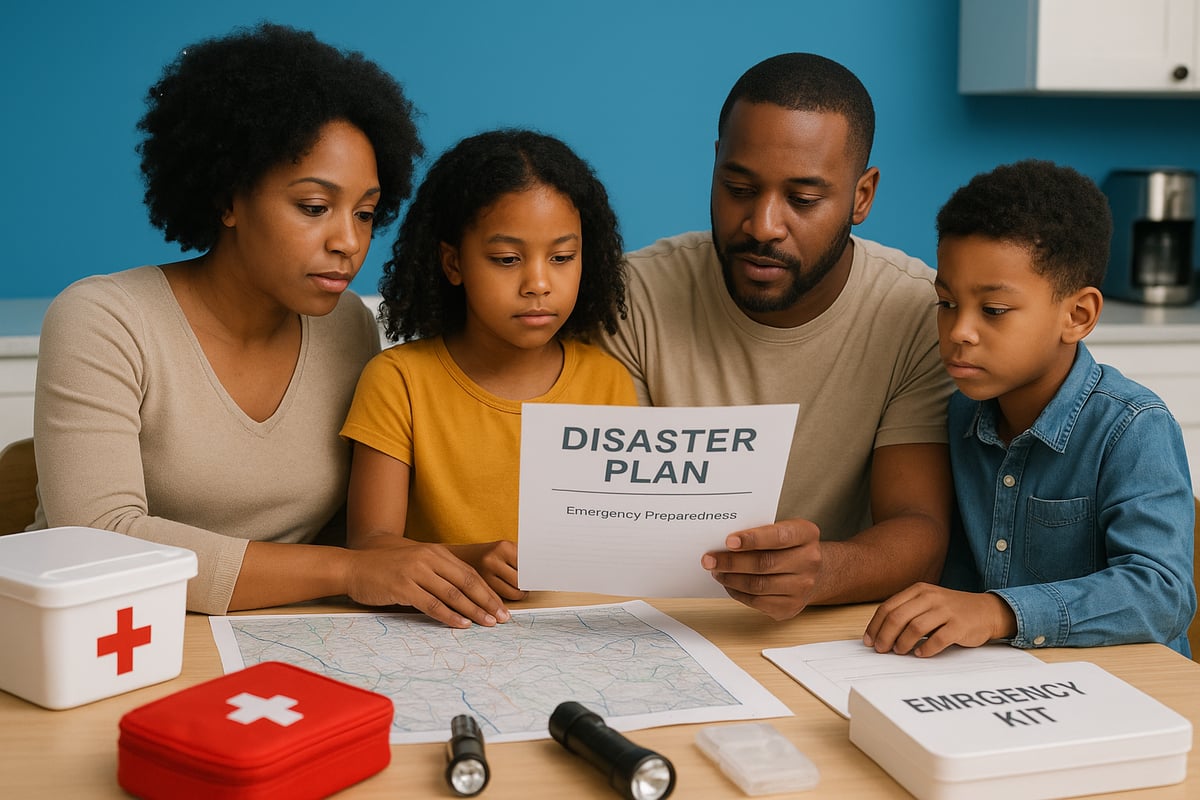
The Evolving Landscape of Disasters
The scope of disasters has expanded significantly in recent years. Climate change is fueling more frequent and severe hurricanes, wildfires, and floods. At the same time, technological and cyber threats now pose risks to critical infrastructure, disrupting daily life and emergency services.
Urbanization is increasing population density in vulnerable areas, which can amplify the impact of disasters. For example, the NOAA has reported a record number of billion-dollar disasters in the past few years. Pandemic preparedness remains crucial after the lessons of COVID-19, reminding every disaster planner to consider health emergencies in their strategy.
Identifying Local and Personal Risks
To build an effective disaster planner, start by researching the hazards most likely to affect your region. Whether you live in an earthquake zone, tornado alley, or a coastal area prone to hurricanes, local risks shape your plan. Utilize FEMA and local government resources for detailed risk mapping to pinpoint neighborhood vulnerabilities.
Examine your home for structural weaknesses, such as flood-prone basements or aging electrical systems. Understanding your community’s infrastructure and established evacuation routes is vital. This step ensures your disaster planner is personalized and practical for your unique circumstances.
Demographic Considerations
A disaster planner must address the specific needs of everyone in your household. Families with children, elderly relatives, or individuals with disabilities require tailored plans for medical care, mobility, and communication. Do not forget pets, as animal-friendly shelters may be limited during emergencies.
Language barriers and cultural factors can affect how your family receives information and responds to alerts. By considering these demographic details, your disaster planner becomes a comprehensive tool that truly supports all members of your household.
Data-Driven Insights
A successful disaster planner is grounded in data. According to FEMA, 60% of Americans do not have a disaster plan, leaving millions at risk during crises. Preparedness levels vary by region and demographic, highlighting the need for targeted education and resources.
Consider real-world case studies where inadequate planning led to significant hardship. For updated statistics and trends on natural disasters and preparedness, consult Natural Disaster Statistics 2025. These data points help you understand the stakes and reinforce the necessity of a thorough disaster planner.
Key Takeaways
Understanding risks is the cornerstone of any effective disaster planner. By assessing environmental, technological, and demographic factors, you lay a strong foundation for readiness.
A personalized approach ensures your disaster planner is not just a checklist, but a living document tailored to your family’s needs. Stay informed, adapt your plan regularly, and empower your loved ones to respond confidently to any challenge.
Step 1: Creating a Comprehensive Emergency Plan
A robust emergency plan is the cornerstone of every effective disaster planner. This step ensures your family knows exactly what to do, where to go, and how to stay connected during any crisis. By proactively establishing clear procedures, you are equipping your household to respond quickly and confidently when disaster strikes.
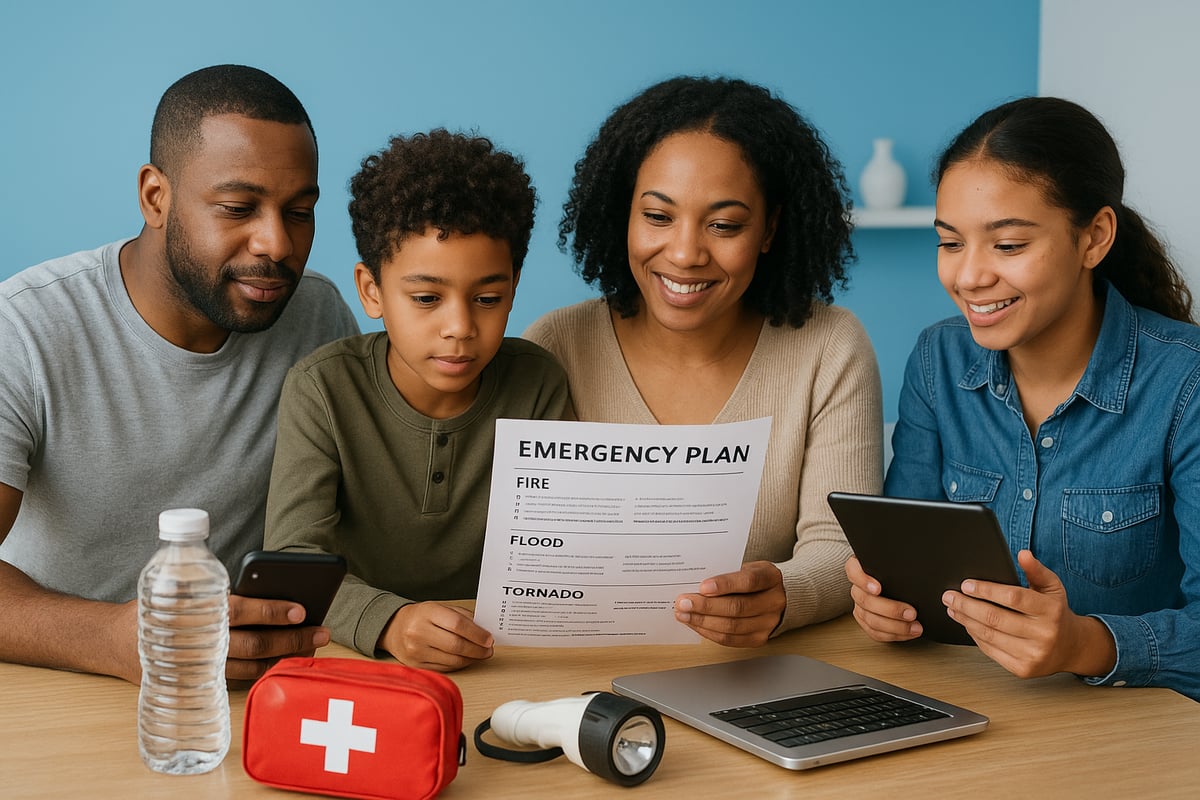
Family Communication Strategy
The first task for any disaster planner is to create a reliable communication network. Start by designating both local and out-of-town emergency contacts for every household member. Identify two meeting points, one inside your neighborhood and another outside, in case evacuation is necessary.
Establish a phone or email tree so updates can be shared rapidly. Make sure everyone, including children, knows how to use these contacts. For a deeper dive into why contingency planning is vital, see Why Every Family Needs a Contingency Plan. Practicing these steps as part of your disaster planner will help ensure no one is left out during an emergency.
Evacuation and Shelter-In-Place Plans
A disaster planner must account for both evacuation and shelter-in-place scenarios. Begin by mapping out multiple evacuation routes from home, work, and school. Identify local shelters, including those that welcome pets, and keep their addresses accessible.
Conduct regular drills with your family to make these routes familiar. Practice shelter-in-place procedures, ensuring everyone knows where to find emergency supplies. By embedding these routines into your disaster planner, you reduce confusion and enhance safety when quick decisions matter most.
Roles and Responsibilities
Assigning clear roles is critical for an organized disaster planner. Decide who will gather the emergency kit, who is responsible for checking on neighbors, and who manages communication. Make a checklist of each person’s tasks and review them together.
Include children by giving age-appropriate responsibilities, which fosters confidence and readiness. Regularly rehearse these roles during drills. When everyone understands their part in the disaster planner, your family’s response becomes more efficient and coordinated.
Special Considerations for Vulnerable Members
Every disaster planner must address the unique needs of vulnerable family members. Prepare for medical requirements by listing current medications, equipment, and special instructions. Plan transportation for those with mobility challenges, and ensure accessible routes are identified.
Keep medical information updated and store it in an easy-to-reach place. For infants, elderly relatives, or anyone with disabilities, coordinate with local agencies if extra support is needed. Your disaster planner should offer tailored solutions for every household member’s safety.
Documentation and Information Management
A comprehensive disaster planner includes safeguarding critical documents. Gather copies of IDs, insurance policies, medical records, property deeds, and legal papers. Store both digital backups and physical copies in waterproof, fireproof containers.
Create a checklist of where each document is stored, and make sure trusted family members know how to access them. Regularly review and update these files as part of your disaster planner maintenance routine. This organization speeds up recovery and reduces stress after a disaster.
Leveraging Digital Tools
Modern technology enhances any disaster planner. Download apps that provide real-time emergency alerts, like the FEMA app. Set up group chats or use emergency notification systems for rapid communication.
According to recent data, 75% of households use smartphones for emergency updates, making digital preparedness a necessity. Incorporate these tools into your disaster planner so everyone receives timely information. Review and test these systems during practice drills to confirm they work effectively.
Step 2: Assembling and Maintaining Disaster Supplies
Preparing disaster supplies is the backbone of any effective disaster planner. The right supplies can mean the difference between safety and hardship when unexpected events occur. Let’s break down how to build, store, and maintain your emergency kits for 2025.
Building a 72-Hour Emergency Kit
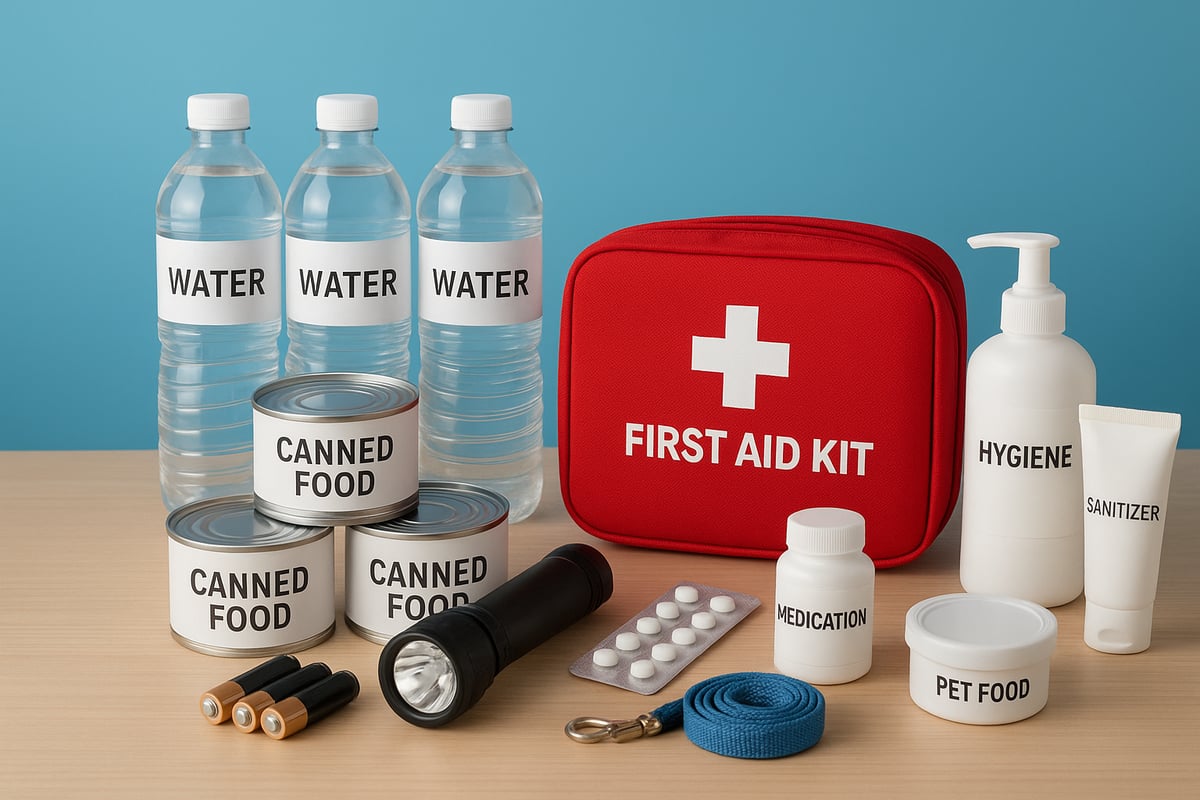
A disaster planner starts with a comprehensive 72-hour emergency kit. This kit should include enough essentials to sustain every household member for at least three days. According to Preparing for Natural Disasters, water and food top the list, but don’t overlook other necessities.
Essentials for your kit:
- Water (one gallon per person per day)
- Non-perishable food (ready-to-eat)
- Flashlight and extra batteries
- First aid kit
- Whistle
- Dust masks
- Local maps
- Cell phone charger
A disaster planner should double-check quantities for each person, including pets. Review CDC and Red Cross guidelines to ensure your kit meets current recommendations.
Home Preparedness Supplies
Beyond the basic kit, a disaster planner should stock home-specific supplies for safety and comfort. These tools and resources help you respond to power outages, fire risks, and utility issues.
Home preparedness essentials:
- Tools for shutting off gas, water, and electricity
- Fire extinguisher
- Smoke and carbon monoxide detectors
- Emergency blankets and ponchos
- Sanitation items (toilet paper, moist towelettes, garbage bags)
- Manual can opener
Keep these items in accessible locations. Regularly test alarms and replace batteries to maintain readiness.
Personalizing Your Kit
Every disaster planner must tailor their kit to family needs. Include prescription medications, spare glasses, and hearing aids for those who need them. If you have infants, add formula, diapers, and baby wipes. Consider cultural or dietary preferences when selecting food.
Personalization tips:
- Pack comfort items for children (toys, books)
- Include pet food and supplies
- Adjust for allergies or medical conditions
Update your kit as your family changes. Review expiration dates and replace items as needed.
Storing and Accessing Supplies
A disaster planner should store supplies in multiple, clearly marked locations. Keep kits at home, in your car, and at work to cover emergencies that strike when you’re away.
Storage strategies:
- Use clear containers for quick identification
- Store in climate-controlled spaces if possible
- Place kits in easy-to-reach spots for all family members
Practice accessing your kits during drills. Make sure everyone knows where supplies are kept.
Regular Maintenance and Updates
Maintaining your supplies is a critical part of every disaster planner. Schedule regular checks to keep your kit up to date and effective for any scenario.
Maintenance checklist:
- Check expiration dates on food, water, and medications
- Swap out seasonal items (add warm gear in winter)
- Practice using equipment and review kit contents annually
A well-maintained disaster planner ensures you’re always ready for emergencies. Involve the whole family in these updates to build confidence and awareness.
Step 3: Safeguarding Critical Information and Documents
Disaster can strike without warning, making it vital to safeguard your most important information. A robust disaster planner ensures that you can quickly access critical documents when you need them most. Losing access to vital records can delay recovery, hinder insurance claims, and add unnecessary stress. Statistics reveal that 40% of disaster victims struggle to retrieve essential paperwork post-event, underscoring the need for proactive steps. By prioritizing document organization, you lay a solid foundation for a resilient disaster planner, empowering your family to respond efficiently and confidently.
The Importance of Document Organization
Organizing documents is a core step in any disaster planner. Critical records such as IDs, insurance policies, and medical information are often needed immediately after an emergency. The inability to provide these documents can slow down recovery, delay claims, or even prevent access to emergency services.
A well-structured disaster planner reduces chaos by ensuring that all paperwork is accessible, up to date, and protected from damage. It is not just about having the documents, but knowing exactly where they are and how to retrieve them quickly. This proactive approach can make a significant difference in your family’s ability to bounce back after a crisis.
What to Include in Your Document Kit
A comprehensive disaster planner should cover all vital documents. Start with personal identification, such as passports, birth certificates, and driver’s licenses. Add insurance policies, medical records, property deeds, wills, and emergency contact lists. Consider digital backups on encrypted USB drives or secure cloud storage for added security.
To make sure you gather everything you need, use trusted resources like Organizing Important Family Documents, which outlines the essentials for families. Tailor your kit to your specific needs, including account logins and special instructions. Keeping these items updated and accessible is essential for an effective disaster planner.
How The Family Binder Can Help
The Family Binder is a valuable tool for every disaster planner. This fillable PDF offers a simple way to organize everything from financial information to insurance, medical details, and estate documents. With all your information in one place, your family can act quickly during an emergency.
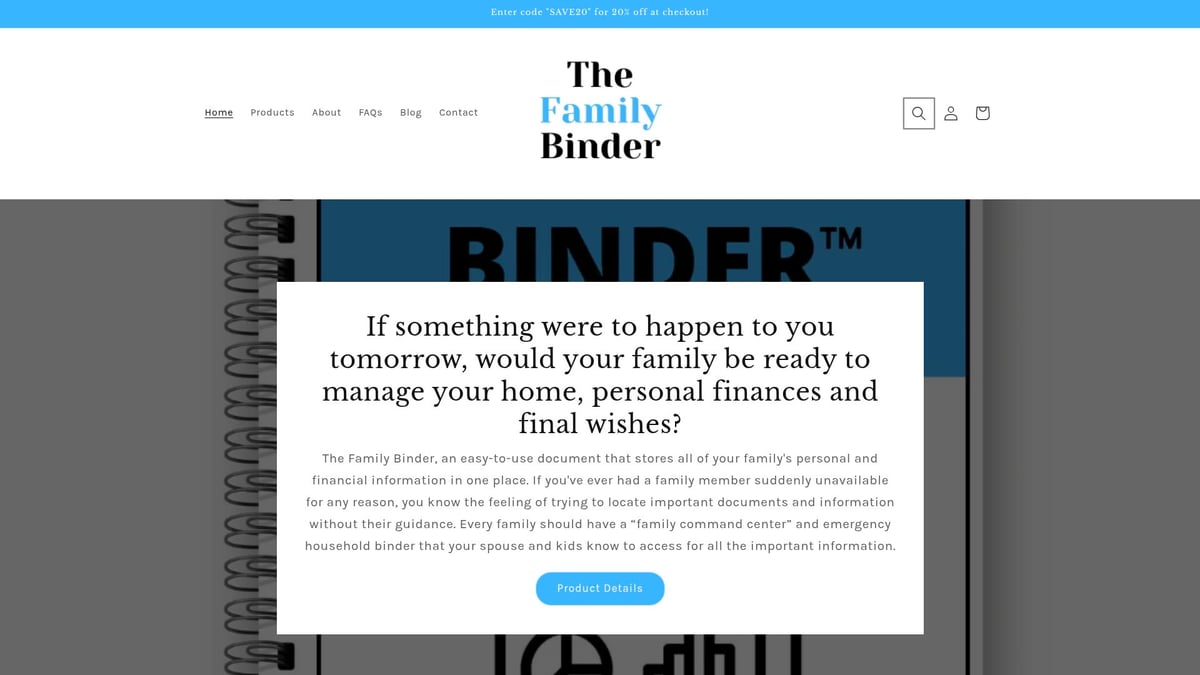
Families who have used The Family Binder report smoother transitions and quicker insurance payouts after disasters. The peace of mind that comes from a well-prepared disaster planner cannot be overstated. By streamlining access to critical data, you ensure your loved ones are ready to face any challenge confidently.
Protecting and Storing Documents
After organizing your disaster planner, focus on protection and storage. Use waterproof and fireproof safes to secure originals. Store digital copies offsite or in the cloud for redundancy. Share copies with trusted relatives or legal representatives in case you are unreachable.
Regularly review and update your disaster planner to reflect life changes. Keeping your document kit current ensures you are never caught off guard. These precautions guarantee that your critical information remains safe, accessible, and ready to support your recovery process.
Step 4: Practicing and Updating Your Disaster Plan
Practicing and updating your disaster planner is essential for true readiness. A well-prepared disaster planner does not gather dust on a shelf; it evolves through regular drills, reviews, and active participation from every household member. The following steps will help ensure your disaster planner always reflects your current needs and risks.
Conducting Regular Drills
Routine drills are the backbone of any effective disaster planner. Schedule practice sessions for both evacuation and shelter-in-place scenarios. Each drill should simulate a different emergency, such as a fire, earthquake, or flood, to ensure everyone knows what to do no matter the situation.
After every drill, hold a brief debriefing. Discuss what went well and what could improve. This feedback loop keeps your disaster planner relevant and actionable. Regular practice builds confidence and reduces panic during real emergencies.
Reviewing and Adjusting Plans
A disaster planner is not static. Review your plan at least once a year, or when family circumstances change, such as a new baby, a move, or a medical diagnosis. Incorporate lessons learned from real-life events and community updates.
Stay informed about new risks in your region. For example, FEMA recommends reviewing and updating your disaster planner every six months. This proactive approach ensures your plan always fits your current needs and the latest threats.
Staying Informed and Connected
Remaining connected and informed is vital for an up-to-date disaster planner. Sign up for local and national emergency alerts to receive timely information. Build relationships with neighbors and community organizations, as collective action strengthens resilience.
Participate in community preparedness events, especially during National Preparedness Month 2025, to stay current on best practices and resources. Staying engaged ensures your disaster planner leverages the latest knowledge and community support.
Involving the Whole Household
Inclusion is key to a successful disaster planner. Make preparedness engaging for children through games, stories, or simple drills. Address concerns or fears openly, using age-appropriate language to build confidence.
Ensure everyone knows where supplies and documents are stored. Encourage each household member to take ownership of roles and responsibilities within the disaster planner. When everyone is involved, preparedness becomes a shared value, not just a task.
Step 5: Recovery and Post-Disaster Actions
Disaster recovery starts the moment the immediate threat passes. A robust disaster planner will guide you through critical steps, ensuring safety, support, and long-term resilience. This section outlines practical actions to take after an emergency, from initial safety checks to learning from the experience.
Immediate Safety and Damage Assessment
After a crisis, your disaster planner should prioritize safety checks before anyone re-enters buildings. Begin by inspecting for injuries among family and neighbors. Address urgent medical needs right away.
Next, look for hazards like downed power lines, gas leaks, or unstable structures. Use a systematic checklist to guide this process:
- Check for visible structural damage
- Smell for gas or chemical odors
- Listen for shifting or creaking sounds
- Avoid touching wet electrical equipment
Document any hazards and report them to authorities. Keeping safety at the forefront helps prevent further harm and ensures your disaster planner remains effective in real-world situations.
Accessing Emergency Assistance
Once immediate dangers are addressed, your disaster planner should help you access support. Contact local authorities, FEMA, or the Red Cross for emergency shelter, food, and medical care.
Apply for disaster relief programs as soon as possible. Keep a list of key resources and contacts handy, including insurance companies and local support organizations. Know your rights regarding assistance and temporary housing.
Your disaster planner should include regional hotlines and online portals for rapid communication. Staying proactive means you can secure help quickly, reducing stress during a chaotic period.
Emotional and Mental Health Support
Recovery is not only physical. Your disaster planner must address emotional well-being. Recognize signs of trauma, such as anxiety, sleep problems, or withdrawal. According to studies, one in five disaster survivors faces mental health challenges.
Reach out to counselors, faith leaders, or support groups. Many communities offer crisis hotlines and free counseling after disasters. Encourage open conversations within your household about stress and fears.
A disaster planner that includes mental health resources helps families build resilience and recover more completely. Prioritize emotional healing alongside physical recovery for long-term well-being.
Documenting Losses and Managing Claims
Accurate documentation is vital for insurance claims and disaster relief. Use your disaster planner to keep detailed records:
- Take photos and videos of all damage
- Save receipts for repairs and temporary expenses
- Record dates, contacts, and claim numbers
Comprehensive organization makes the process smoother. Tools like The Role of the Family Binder in Disaster Recovery can help streamline documentation, ensuring you have everything ready for adjusters and aid agencies.
A disaster planner with organized paperwork accelerates recovery and helps secure the support your family needs.
Learning and Improving for the Future
Recovery is not complete until you review what happened and improve your disaster planner. Hold a family debrief to discuss what worked and what needs adjustment. Update your emergency plan and supplies based on these lessons.
Stay informed by following global best practices, such as those highlighted in the Global Assessment Report 2025, to identify new risks and strategies.
Encourage neighbors to get involved, building a stronger community network. An effective disaster planner evolves with each experience, making you better prepared for whatever comes next.
As you’ve seen throughout this guide, true disaster preparedness is about more than just supplies—it’s about having every detail of your plan and your family’s critical information at your fingertips. Whether you’re mapping out communication strategies, securing important documents, or organizing for every family member (including pets), confidence comes from knowing you’re ready for anything. If you want a simple, effective way to keep your plans and documents organized and accessible when it matters most, I recommend you Download Now and give your loved ones the peace of mind they deserve.