
Struggling to keep documents organized when the holes never seem to match your binder? You are not alone. Many people waste time and effort trying to fit various paper sizes into binders, only to face torn sheets and messy piles.
In 2025, a binder punch is more than just a stationery tool—it is essential for students, professionals, and anyone managing paperwork at home. Mastering the basics helps you save time, avoid costly mistakes, and build a smooth, reliable organization system.
This guide offers a practical approach. You will learn about punch types, compatibility, step-by-step usage, troubleshooting, and new innovations for binder punches in 2025.
Understanding Binder Punches: Types and Uses
Trying to keep paperwork organized can feel overwhelming, especially when hole-punched papers do not fit your binder rings. A binder punch is the tool designed to solve this frustration, making it an essential for anyone who needs clean, consistent results. Understanding how binder punches work, the different types, and how to match them to your needs will help you create a more efficient, error-free system for document management.
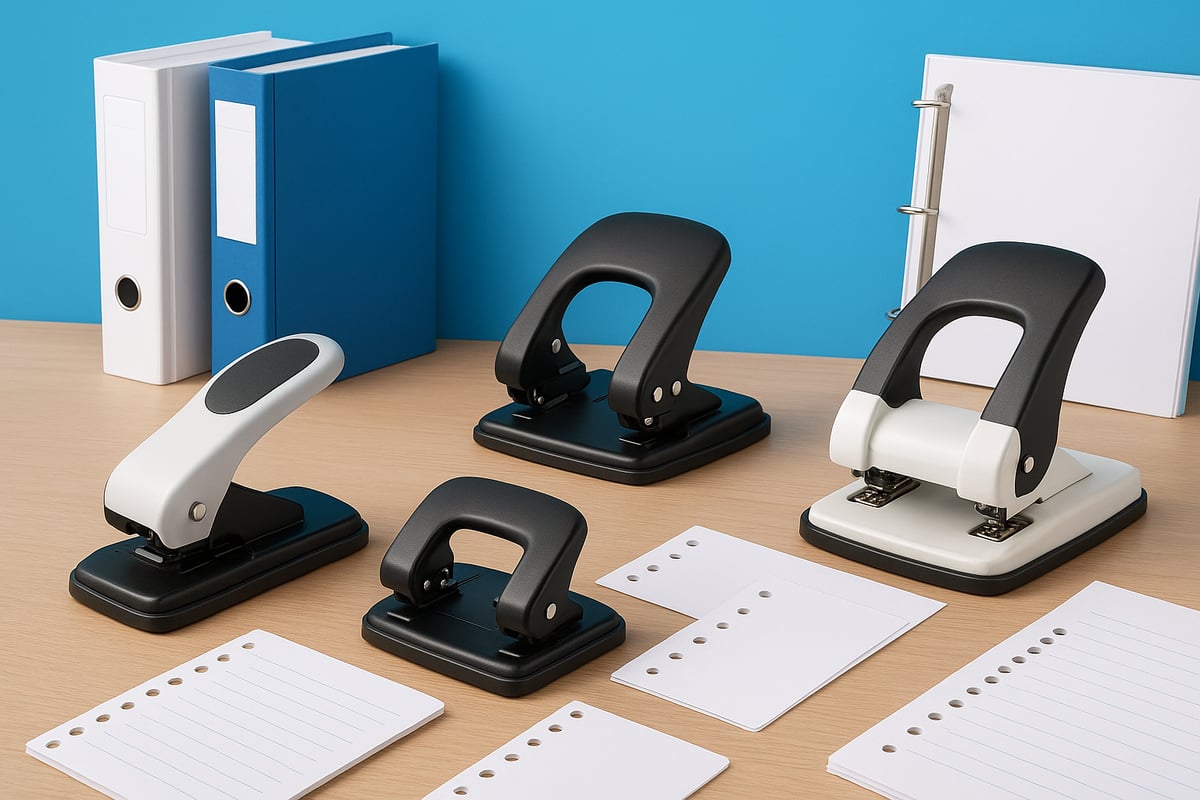
What is a Binder Punch?
A binder punch is a mechanical device designed to create uniform holes in sheets of paper, allowing them to fit securely into binders. Its core function is to simplify the process of preparing documents for ring binders, ensuring that pages do not tear or misalign over time.
The first binder punch appeared in the late 19th century and quickly became a staple in offices and schools. Over the decades, its design has evolved from simple hand-operated models to advanced electric or programmable units for high-volume environments.
Binder punch usage has surged since 2020, with the rise of remote work and home offices. Industry reports indicate a notable increase in home office supply sales, with binder punch purchases growing alongside binder and filing system demand. These trends underscore the lasting relevance of the binder punch for both personal and professional organization.
Common Types of Binder Punches
Binder punch options vary widely to meet different organizational needs. The most common types include:
- Two-hole punch: Popular in Europe, follows ISO 838 standards, ideal for A4 papers and slim files.
- Three-hole punch: Standard in the US, designed for letter-size paper, commonly used in schools and offices.
- Multi-hole punch: Offers four, six, or more holes, used for archival documents and specialty planners.
Specialty models also exist. Adjustable binder punch designs allow users to change hole spacing to fit custom binders. Heavy-duty punches handle thick stacks or tough materials, while electric punches are perfect for large offices needing speed and efficiency. Mini punches are compact, ideal for students or on-the-go professionals.
For example, a three-hole binder punch is standard in American offices, while archivists often rely on multi-hole punches for preserving official records. Students may prefer two-hole punches for slim binders or planners. Choosing the right type of binder punch ensures your documents always fit perfectly.
Binder Punch Compatibility: Matching Punches to Binders
Selecting the correct binder punch requires understanding binder ring configurations and paper sizes. Common ring setups include 2-ring, 3-ring, 4-ring, and even 6-ring mechanisms, each designed for specific applications and regions.
Paper sizes also play a critical role. A4, Letter, Legal, A5, and custom planner sheets all require matching punch patterns. Manufacturers usually provide compatibility charts to help users select the appropriate binder punch for their binder and paper size.
A common mistake is using a three-hole binder punch for A4 paper intended for a two-ring binder, which can result in torn sheets or unusable documents. Consulting resources like the Ring Binder Market Analysis can provide insights into current binder configurations and help avoid costly mismatches.
Matching the binder punch to your specific binder and paper format ensures your documents remain secure and easily accessible, preventing frustration and waste.
Key Features to Consider
When choosing a binder punch, several features can make a significant difference in user experience:
- Adjustable punch heads let you customize hole spacing for different binders.
- Margin depth settings protect page edges from tearing.
- Punch capacity determines how many sheets can be punched at once, crucial for high-volume tasks.
- Durability and ergonomics ensure comfort and long-term use, especially for frequent tasks.
- Waste management, such as built-in chip trays, keeps your workspace clean.
- Safety features protect fingers and prevent accidents, especially in shared environments.
According to 2024 consumer reviews, the most valued binder punch features are adjustable heads, high sheet capacity, and ergonomic handles. Choosing a binder punch with these features will help you achieve efficient, reliable results every time.
Step-by-Step: How to Use a Binder Punch Correctly
Before you start using a binder punch, it is essential to prepare your documents properly. This will help you achieve clean, professional results and protect both your papers and your punch. Organized preparation also saves time and prevents errors in the final filing process.
Preparing Your Documents
Start by sorting your documents into logical groups. Align the edges carefully so that every sheet will be punched evenly. Remove any staples, paper clips, or sticky notes from your stack, as these can jam or damage the binder punch.
Smooth out any folds or creases in the paper. Double-check that the size of your paper matches the specifications of your binder. For example, use A4 sheets for European binders and letter-sized paper for US binders. Organizing your papers ahead of time ensures each punch is consistent and accurate.
Setting Up the Binder Punch
Begin by adjusting the punch heads on your binder punch to the correct positions for your chosen binder type. Most models allow for easy movement of punch heads to match either two-hole or three-hole configurations. Use the built-in guides to set the right hole spacing for your paper size.
Next, set the margin depth to ensure the holes are not too close to the edge, which prevents tearing. Check the sharpness of the punch heads and clean off any paper dust. A clean and sharp binder punch will produce crisp, professional holes every time.
Punching Your Papers: The Chronological Process
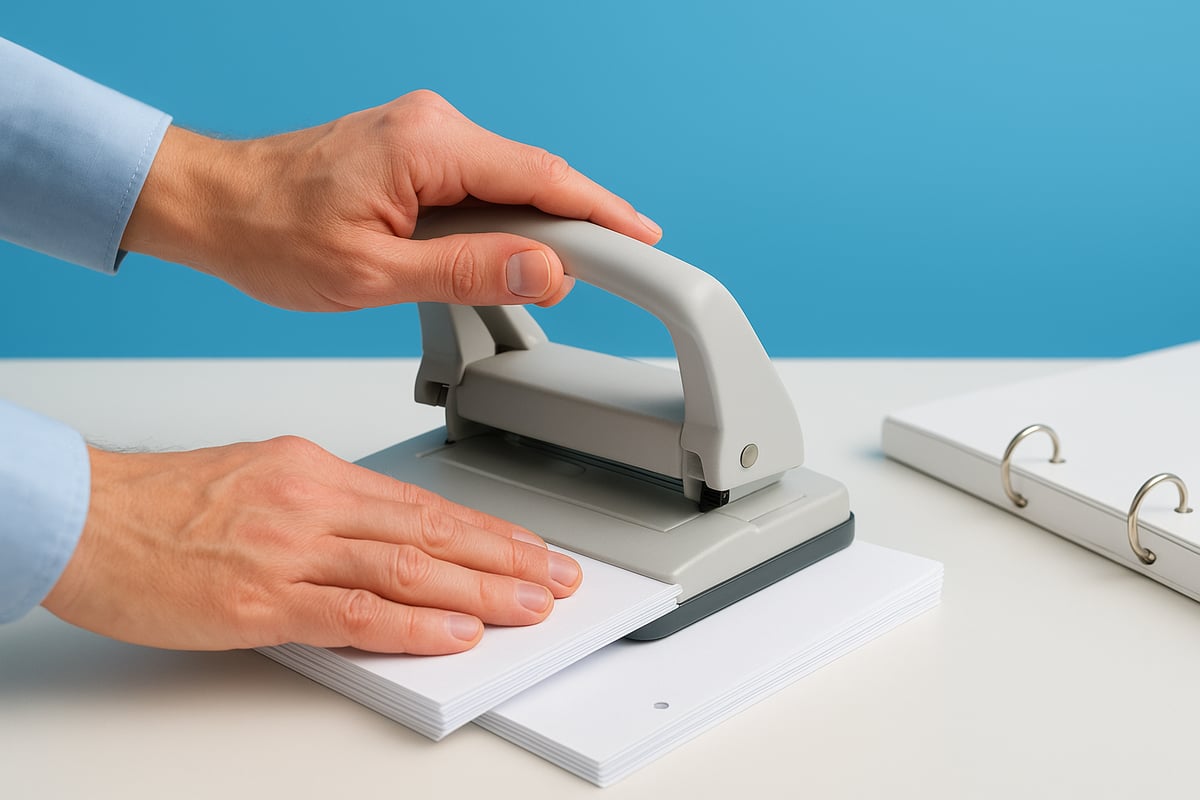
Load only the recommended number of sheets for your binder punch at once. Overloading can cause jams and uneven holes. Align your paper stack with the guides on the punch, making sure all sheets are flush with the edge stop.
Press the handle down evenly and firmly. If you are working with a large batch, punch in smaller groups and stack the finished sets. This prevents excessive force and ensures each set has uniform holes. For high-volume jobs, consider using an electric binder punch for efficiency.
Inspecting and Organizing Punched Papers
After punching, inspect each stack for clean, consistent holes. Check for misaligned holes or torn edges, which may indicate the punch heads need adjustment or cleaning. If you notice issues, make corrections before punching more papers.
Organize your punched papers by section, topic, or date for easy binder insertion. For more ideas on arranging your documents after using a binder punch, explore these binder organization tips. Proper inspection and organization help keep your filing system efficient and frustration-free.
Safety and Maintenance Best Practices
Regular maintenance extends the life of your binder punch and keeps it safe to use. Empty the chip tray frequently to prevent buildup, which can cause jams. Clean the punch heads with a dry cloth to remove debris and maintain sharpness.
Store your binder punch in a secure, dry place to avoid rust or accidental damage. Never force the handle if it sticks; instead, check for obstructions. Practicing these habits will ensure your binder punch remains reliable and safe for daily use.
Expert Tips for Flawless Results
Test your binder punch settings on a scrap sheet before punching important documents. This helps you catch issues early. Mark commonly used configurations on your punch for quick future setup, especially in shared office environments.
For example, one office improved workflow by standardizing punch settings and training staff on maintenance. These simple steps can make your binder punch a powerful tool for streamlined document management.
Choosing the Right Binder Punch in 2025: Features, Brands, and Trends
Selecting the right binder punch in 2025 means understanding a rapidly evolving landscape. New features, trusted brands, and innovative trends are shaping the way we organize documents both at home and in the office. Whether you need a binder punch for school, legal work, or remote office setups, focusing on the right criteria ensures you make an informed decision.
Essential Features for 2025
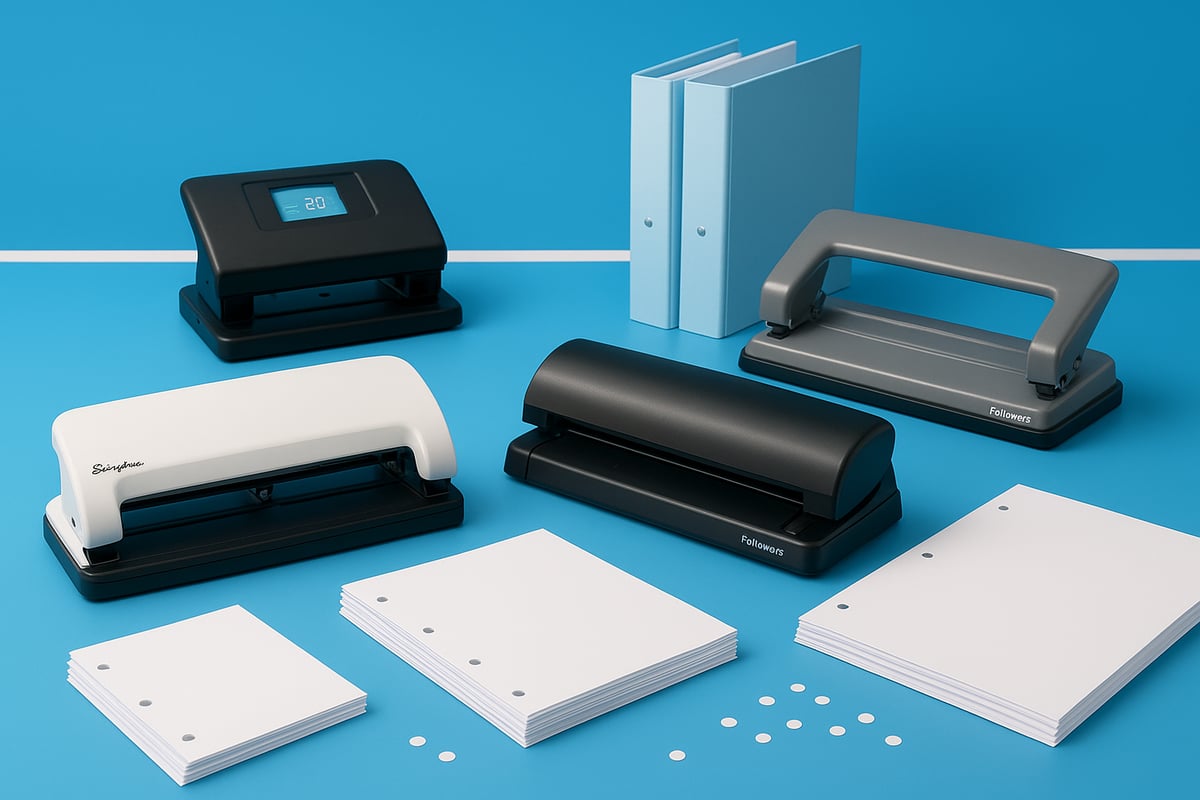
When evaluating a binder punch, look for features that go beyond basic hole punching. In 2025, digital integration is increasingly common. Some binder punch models now include sheet counters or Bluetooth connectivity, making tracking and organizing documents easier than ever.
Ergonomics are also critical. If you punch large volumes of paper, opt for a binder punch with a comfortable grip and smooth action to reduce fatigue. Eco-friendly materials and sustainable manufacturing practices are now standard for leading brands, reflecting a global shift toward greener office supplies.
Key features to consider:
- Digital sheet counters or app connectivity
- Adjustable punch heads for various paper sizes
- Ergonomic handles and levers for comfort
- Durable, recyclable materials
By prioritizing these features, users ensure their binder punch will remain relevant and effective throughout 2025.
Popular Brands and Product Comparisons
Brand reputation matters when choosing a binder punch. Leading manufacturers like Swingline, Fellowes, Bostitch, and Rapesco each offer flagship models with unique strengths. For example, Swingline is known for robust construction, while Rapesco stands out for its adjustable multi-hole punches.
Below is a snapshot comparing popular models:
| Brand | Model | Key Feature | User Rating (2025) |
|---|---|---|---|
| Swingline | Optima 45 | Electric, 45-sheet | 4.8/5 |
| Fellowes | Galaxy 500 | Ergonomic, heavy-duty | 4.7/5 |
| Bostitch | EZ Squeeze | Low force, compact | 4.6/5 |
| Rapesco | Adjustable 66-P | Multi-format | 4.5/5 |
When selecting a new binder punch, many users also upgrade their binders for a cohesive system. For a detailed review of best binders for documents, explore top-rated options that pair seamlessly with your punch.
With consumer reviews consistently favoring durability and versatility, it is wise to compare product warranties and after-sales support as well.
Innovations and Trends to Watch
Binder punch technology is not standing still. The rise of electric and battery-powered models is making high-volume punching much more efficient. Modular punch heads are now available, allowing users to customize hole spacing for planners, journals, or international document standards.
Compact, portable binder punch designs are also trending, especially for remote workers and students who need organization tools on the go. As these innovations become mainstream, expect more models with quick-change punch settings and quieter operation.
Trends to watch in 2025:
- Electric and battery-powered options
- Customizable and modular punch heads
- Lightweight, portable designs for mobile users
These trends are making the binder punch a more adaptable and indispensable tool.
Budget vs. Premium: Which to Choose?
Cost is always a factor, but choosing the right binder punch is about value over time. Budget models are ideal for occasional users or students, offering straightforward operation and basic features. Premium models, on the other hand, deliver enhanced durability, ergonomic comfort, and advanced features like electronic counters.
Consider this scenario: A legal office investing in a premium binder punch may spend more upfront, but the time saved on bulk document preparation and reduced risk of mechanical failure can lead to significant long-term savings.
Assess your needs:
- Occasional home use: Budget-friendly, manual punch
- Daily office use: Premium, ergonomic, or electric punch
- Schools or legal work: Heavy-duty with high sheet capacity
Evaluate not only price but also warranty, expected lifespan, and user support.
Where to Buy: Online vs. In-Store
Deciding where to purchase your binder punch impacts convenience and support. Online retailers like Amazon often offer the widest selection and competitive prices. Physical stores such as Staples or Office Depot provide hands-on product trials and immediate availability.
When shopping, consider:
- Availability of replacement punch heads or accessories
- Return policies and after-sales support
- Shipping times for online orders
Ultimately, whether you buy online or in-store, ensure your binder punch investment includes access to parts and support for long-term satisfaction.
Troubleshooting Binder Punch Problems
Dealing with binder punch problems can disrupt your workflow and lead to messy, unusable documents. Knowing how to identify, prevent, and resolve common issues is essential for maintaining an efficient document organization system. This troubleshooting section will guide you through frequent problems, damage prevention, maintenance, and knowing when it is time for an upgrade.
Common Issues and Quick Fixes
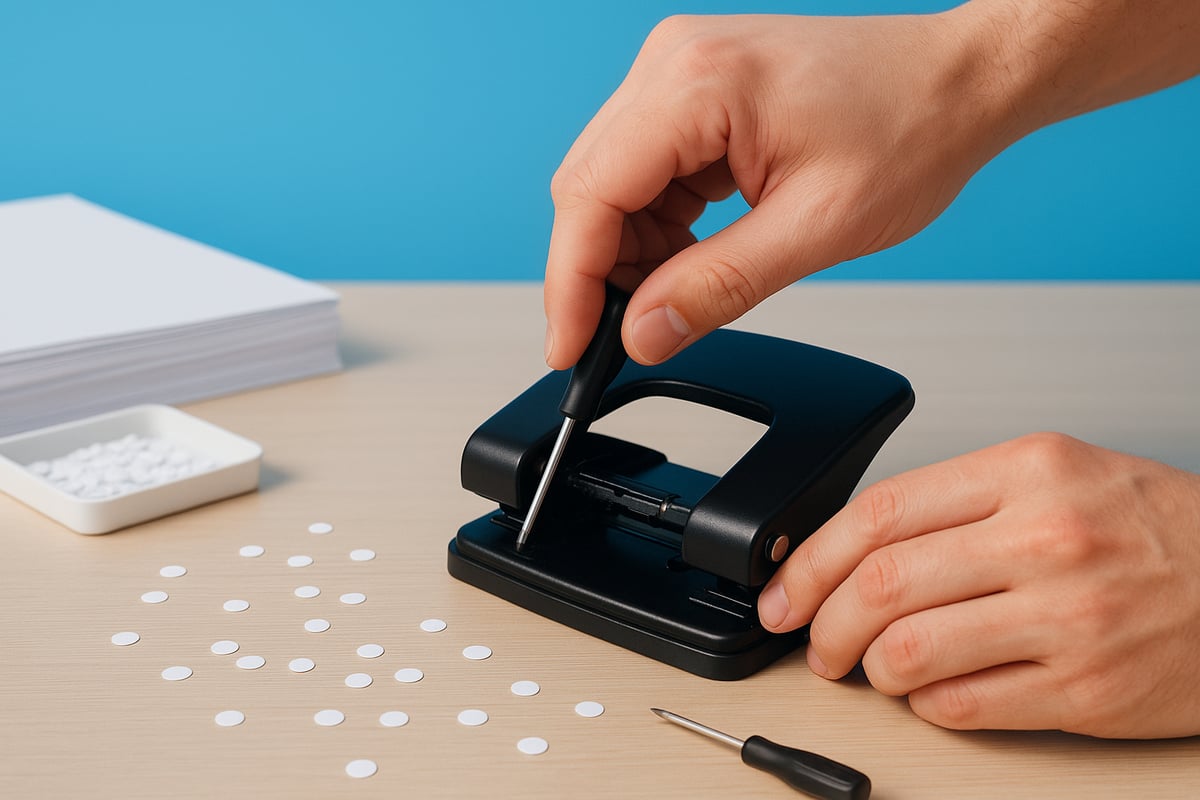
Binder punch users often face jamming, misaligned holes, and incomplete punches. Jamming typically happens when the chip tray is full or sheets exceed the punch’s capacity. To fix a jammed binder punch, remove all papers, empty the chip tray, and gently dislodge any stuck pieces. Misaligned holes often result from uneven stacking or improper guide settings. Always check guides and align paper edges before punching.
Incomplete punches can occur if the blades are dull or paper is too thick. Replace or sharpen the blades if needed, and never exceed the recommended sheet limit. A quick test punch with scrap paper helps prevent these problems. With these steps, most binder punch issues are resolved in under two minutes.
Preventing Damage to Documents and Punches
To avoid damaging your binder punch or important documents, never overload the punch with too many sheets at once. Always use the correct paper type and size for your specific punch model. Regularly check for dull blades and replace them as soon as you notice tearing or incomplete holes.
Consumer data from 2024 shows that the most frequent cause of binder punch malfunction is overloading, followed by using incompatible paper. For those organizing at home, integrating proper punch practices with decluttering with binders can reduce clutter and keep your punch and documents in top shape. Consistent care ensures your binder punch lasts longer and works reliably.
Repair and Maintenance Tips
Routine maintenance is vital for extending your binder punch’s lifespan. Clean punch heads regularly to remove paper dust and debris. Lubricate moving parts following your manufacturer’s instructions to prevent sticking and ensure smooth operation. If the punch heads become bent or excessively worn, replace them promptly.
Most binder punches come with manufacturer warranties. Keep your purchase receipts and warranty information in a safe place. If your binder punch develops persistent issues despite maintenance, contact the manufacturer’s support team for guidance. Staying proactive with repairs and upkeep helps you avoid costly replacements.
When to Upgrade or Replace Your Binder Punch
Recognizing when to upgrade your binder punch is crucial for efficient document management. Signs include visible wear, frequent jams, inconsistent punching, or broken parts. Evaluate the cost of repairs versus replacement—often, investing in a new model saves money and frustration in the long run.
If you are environmentally conscious, look for recycling programs or donate your old binder punch to local organizations. Newer models often feature eco-friendly materials, improved ergonomics, and better reliability. Upgrading ensures your workflow remains smooth and your documents stay organized without interruption.
Advanced Binder Punch Techniques and Creative Uses
Unlocking the full potential of your binder punch goes beyond the basics. By exploring advanced techniques and creative applications, you can transform simple document organization into a powerful, efficient, and even artistic process. Whether you are customizing planners, streamlining office workflows, or engaging in craft projects, mastering these strategies will elevate your experience.
Customizing Punch Patterns for Unique Binders
Adapting your binder punch to create custom hole spacing opens new possibilities for planners, journals, and specialty binders. Many modern punches feature adjustable heads or templates, allowing you to set precise distances for unique formats. For example, crafting a DIY recipe binder may require holes that align with vintage cookbooks or non-standard page sizes.
To ensure accuracy, use printable guides or ruler templates when adjusting your binder punch. Mark the settings for your most-used layouts to save time on future projects. This level of customization not only gives your documents a professional touch but also prevents misaligned holes that could weaken page integrity.
Integrating Binder Punches into Home and Office Organization
A binder punch is an essential tool for organizing paperwork at home or in the office. By establishing a consistent hole pattern, you can streamline storage for tax records, instruction manuals, or kids’ schoolwork. Integrating physical binders with digital systems, such as scanning and indexing, further enhances accessibility.
For a comprehensive approach, explore this home organization binder guide to see how binder punches support efficient document management. Many professional environments, including law offices, rely on standardized punch patterns to keep files easily retrievable and compliant with regulations. Consistency in your binder punch setup transforms clutter into order.
Creative Projects Beyond Paper
The versatility of a binder punch extends to creative applications beyond standard documents. Craft enthusiasts use binder punches on fabric, thin plastic sheets, and scrapbooking materials to add decorative elements or create custom organizers. In classroom settings, teachers and students can design interactive art projects by punching shapes into colored paper.
When using your binder punch on non-paper materials, always check the manufacturer’s guidelines to avoid damaging the tool. Limit punches to recommended thicknesses and avoid hard plastics or metals. These creative uses add both function and flair to your projects, making the binder punch a valuable asset in any craft room.
Maximizing Efficiency for Bulk Punching
Handling large volumes of documents with a binder punch requires a strategic approach. Group papers into batches that match your punch’s maximum sheet capacity, and use stacking techniques to avoid jams. For ongoing bulk needs, consider punches with automated features or lever mechanisms designed for high throughput.
Accessories like adjustable paper guides and chip trays further improve workflow. In high-volume environments, such as schools or corporate offices, these efficiency measures can reduce processing time by up to 40 percent. Mastering bulk punching not only saves time but also extends the lifespan of your binder punch.
Sustainability and Eco-Friendly Practices
Sustainability is increasingly important for binder punch users in 2025. Opt for punches made from recyclable materials and choose brands that prioritize eco-friendly manufacturing. Reducing paper waste by punching only precise, necessary holes helps minimize environmental impact.
Look for products with green certifications or features like replaceable punch heads to extend usability. As more consumers demand sustainable solutions, the binder punch market continues to innovate with eco-conscious designs. Adopting these practices ensures your document organization remains both effective and responsible.
Now that you know how to master binder punches and streamline your document organization, why not take the next step in creating a truly organized home? With The Family Binder, you can pull together your financial records, insurance details, and family essentials—all in one editable, printable PDF. Imagine the peace of mind knowing everything your loved ones need is right at their fingertips, neatly arranged and easy to find. If you’re ready to put your new binder punch knowledge into practice and simplify your family’s life, Download Now.